
Plastic pollution is a global problem that needs tackling urgently. Governments must take action, but there is also plenty we can do

Enjoy a plastic-free cup of tea
Yes, that's right: there's a thin layer of plastic in some UK brands of teabag. Even if you compost teabags, the plastic breaks down and ends up as tiny pieces in the soil – which could then end up being washed into rivers and the sea.
There are several companies, including Clipper, that produce environmentally friendly, plastic-free teabags. Or choose loose-leaf tea and make a cuppa the old fashioned way. If using a teapot and strainer seems like too much effort, invest in an infuser that sits in your mug – you can then tap the used leaves straight into the compost.

…and ditch the disposable coffee cup
In the UK, it's reported that we throw away around 2.5 billion coffee cups every year. These cups are often not recyclable – meaning they end up in landfill. Most coffee shops that sell take-away coffee in plastic cups now offer to fill up your own reusable cup instead – and some even give you money off your drink when you use your own cup.
Ocean Bottle tumblers are sturdy, and built to last. Made from 90% recycled stainless steel, they won't rust – and they come with a 10-year warranty. Every tumbler, mug or bottle purchased funds the collection of 11,368 kg of ocean-bound plastic – that's the equivalent of around 1,000 plastic bottles. At least 14 million tonnes of plastic end up in our oceans every year, causing a massive negative impact on marine animals – from fish to dolphins to seabirds.
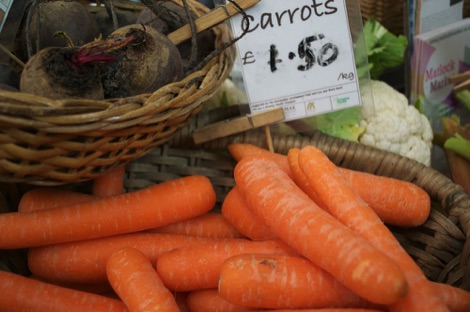
Choose unpackaged fruit and vegetables
Fruit and vegetables in the supermarket are often presented in a plastic box or shrink-wrapped in plastic. Choosing unpackaged carrots, courgettes and broccoli is often cheaper – and has the added advantage that you can buy the exact quantity you need, so avoiding food waste.
Even better is to subscribe to an organic veg box scheme. These deliver fresh veg to your door, usually in a re-usable and recyclable cardboard box. For maximum environmental benefit, choose a local company – then you'll be supporting the local economy too! Or, buy fresh produce from your nearest farmers' market. Or grow your own.
Say no to single-use plastics
According to UNESCO, one million plastic bottles are purchased every minute. A simple switch from single-use plastics – like water bottles – to reusable items could make a huge difference. Using filtered tap water instead of bottled mineral water will save you money too!
Friends of the Earth has even more suggestions for reducing your plastic use. Their #PlasticFreeFriday campaign encourages people to live without plastic for one day a week – and is helping to raise awareness of the impact of plastic pollution on our oceans.
Want more tips? Read about how to have a plastic-free bathroom!

Little Green Space: article updated January 2026

Little Green Space is a non-profit project sharing solutions to the nature and climate crises, and offering inspiration for a greener lifestyle. If you like our content, please help keep us going with a small donation!
Ads/Affiliate links
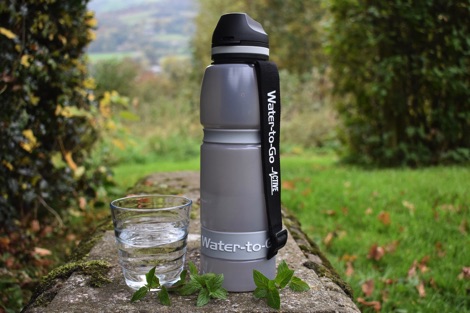
Water to Go makes reusable waters bottles with a unique 3-in-1 filter technology that eliminates up to 99.99% of microbiological contaminants, such as bacteria, protozoa and viruses. This means you don't have to worry about water quality if you're refilling your bottle when out and about. The bottle is made from sugarcane, using the fibrous residue left over from the sugar production process – this planet-friendly material would otherwise have gone to waste. The filter is built into the lid, and lasts long enough to filter 200 litres – saving dozens of single-use plastic water bottles.
Don't cling onto cling film
There are plenty of ways to store food or pack up a lunch without resorting to cling film. This plastic wrap can't be recycled. That means it ends up in landfill – or, even worse, in the countryside, rivers or seas, where it can seriously harm wildlife. And there are some reports that suggest the chemicals cling film contains may be harmful to human health.
Sandwiches or salads for a packed lunch can be transported in a reusable sandwich box. Or try sustainable food wraps to keep your food fresh – &Keep has a good selection of options, including compostable clingfilm, reusable food bags, and kits to make reusable beeswax wraps.
Choose bars, not bottles
Plastic shampoo and hand soap bottles can often be recycled. But to reduce your plastic use even further, choose bars of soap wrapped in recyclable packaging. Coconut Blush are handmade in the Peak District and are wrapped in recycled paper from post-consumer waste from UK schools and offices. Check out a range of natural soap bars here.
There are solid shampoo bars for your hair, too. These are often made from natural, vegan ingredients, and tend to be free from harsh chemicals or parabens. They're also long-lasting and great for travelling. Check out a range of solid shampoo bars here.

This article contains PR samples and affiliate links
In the UK alone, 90 billion pieces of plastic packaging are thrown away annually – and of this only 17% gets recycled.
The #BeatPlasticPollution tag on social media highlights many of the issues of plastic pollution, as well as offering solutions. One suggestion is for holidaymakers to collect three pieces of plastic from the beach, and recycle them.
But you don't need to live near, or visit, the seaside for this to be a great idea – you can also collect rubbish when out for a country walk. Discarded plastic can injure wildlife on land, or find its way into rivers and eventually the sea – so if everyone picked up and recycled just a few pieces of plastic when they were out and about, it would have a huge impact on our countryside.
As with many things, though, prevention is better than cure. To really tackle plastic pollution on our planet, we need to reduce our use of disposable plastics as much as possible. The UK has already banned plastic microbeads (tiny pieces of plastic found in many cosmetics) as well as drinking straws, plastic drinks stirrers, and cotton buds.
But there are many other ways that individuals can act to reduce plastic pollution. Here are seven easy tips that could help.
Use reusable shopping bags
Now that it costs money to buy a plastic bag in most shops, this makes economical sense too. But all of us forget to take our bags to the supermarket every once in a while. So if you do need to buy a carrier bag when out shopping, choose a stronger one that can be reused multiple times. Even better is to keep a stash of reusable bags in the car boot, so that you always have them close at hand.