
Helping red squirrels
in your garden
Conservation organisations offer tips to spot these iconic creatures in your garden, while supporting other native wildlife
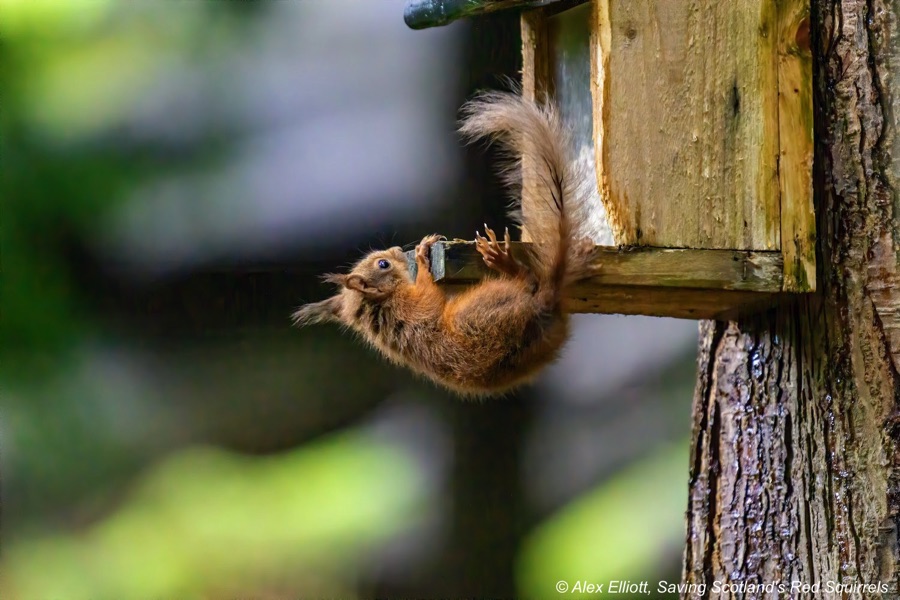
In the UK, the largest population of red squirrels is in Scotland. With their iconic russet fur and impressive acrobatics they are one of the most loved mammals to spot, with many people setting up feeders to encourage them into their gardens.
Smaller numbers of the enigmatic animals can also be seen in a handful of locations in England and Wales, from the Welsh island of Anglesey to areas of the Lake District National Park.
With the RSPB recently updating their guidance on bird feeding to protect the health of garden birds, Saving Scotland's Red Squirrels (SSRS) have teamed up with RSPB Scotland as one of the project's partners to minimise risk while providing for all the wildlife in our local areas.
SSRS and RSPB Scotland have rounded up the best five things you can do in your garden to create red squirrel-friendly habitat:
Choose native plants
If you are lucky enough to have red squirrels near to where you live, that likely means there are good natural sources of food for them.
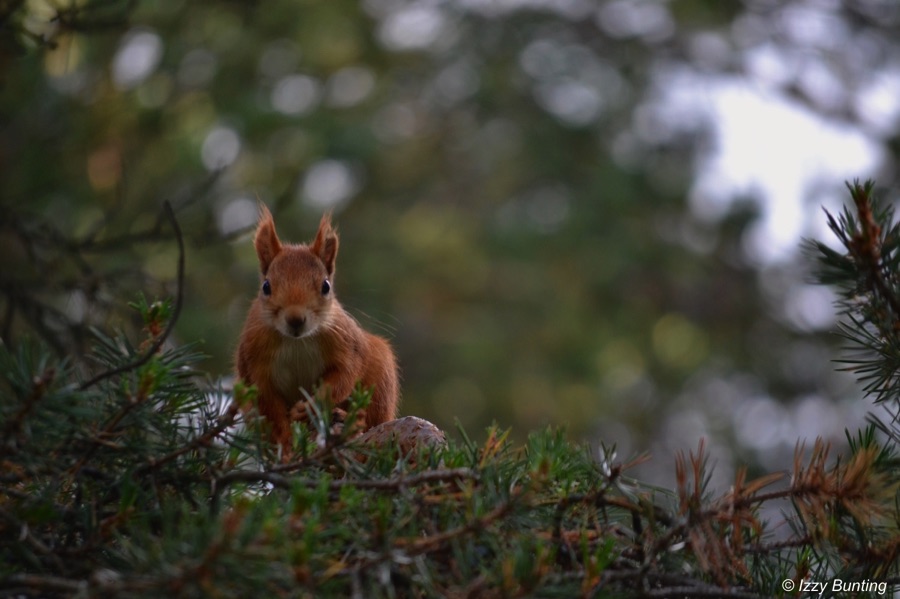
If you can introduce some of these plants to your garden as well, it will act as an extension of their habitat, and also offer exactly the type of foods red squirrels want and need. Red squirrels are omnivores and cone specialists, so Scots pines are a great option, as well as broadleaf hedges and trees such as hazel, beech and oak, which produce nuts and seeds which red squirrels love. Native ecosystems in your garden will also increase fungi and insects, which squirrels occasionally eat.
Have fresh water available
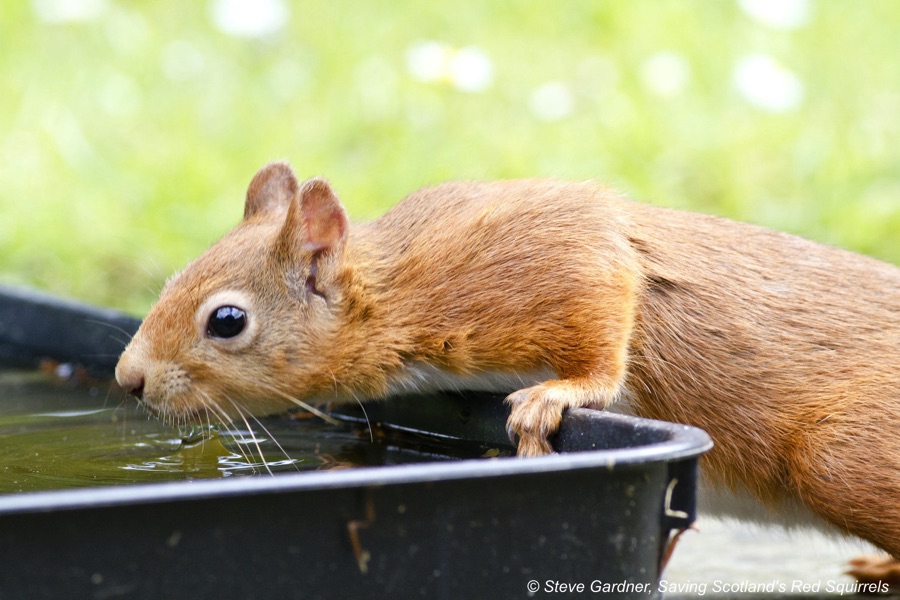
Something that will benefit all wildlife in your garden is having a supply of fresh, clean water. Even a mini pond in a bucket will draw in lots of insects, amphibians, birds, reptiles and mammals. Make sure there's a ramp or shallow side so that squirrels can easily have a drink and no animals can fall in and get stuck.
Varied diet
If you are putting out food for red squirrels, make sure it's a mixture of different food types, and think of it as supplementary snack for red squirrels which are finding most of their food in the wild.
Studies have shown that if the main element of a squirrel's diet is a soft food like peanuts, their jaws can weaken over time. Putting out a mixture of hazelnuts, beech nuts and sweet chestnuts in their shells will help provide a varied diet. You might also see red squirrels grabbing a sweet treat if you grow apples or berries! Native species will always be best, as that's what red squirrels have evolved to eat.
Use the right type of feeder
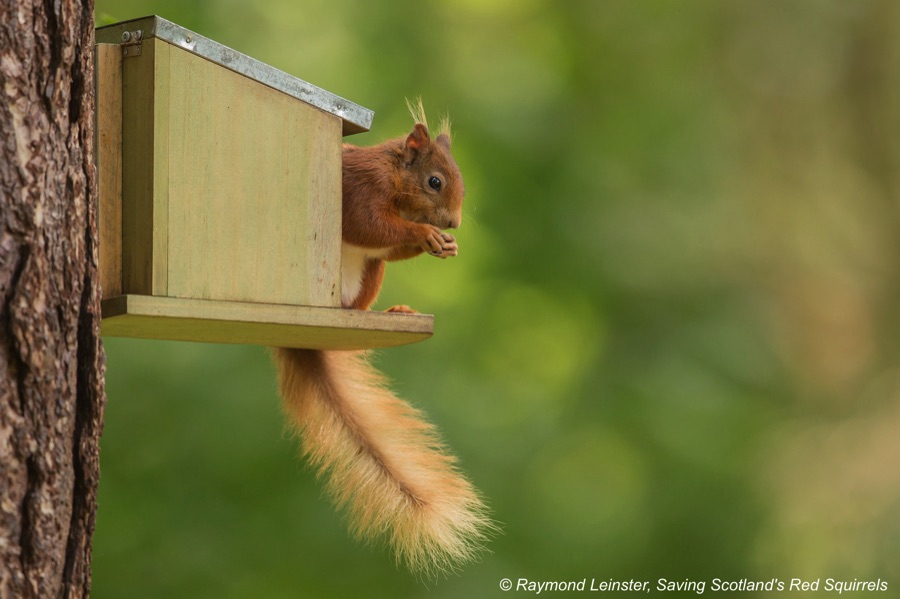
What the squirrels are feeding from is just as important as what you are feeding them. Building or buying a squirrel-specific feeder with a flip-top lid is best, as that prevents other animals, such as birds, getting at food that isn't good for them.
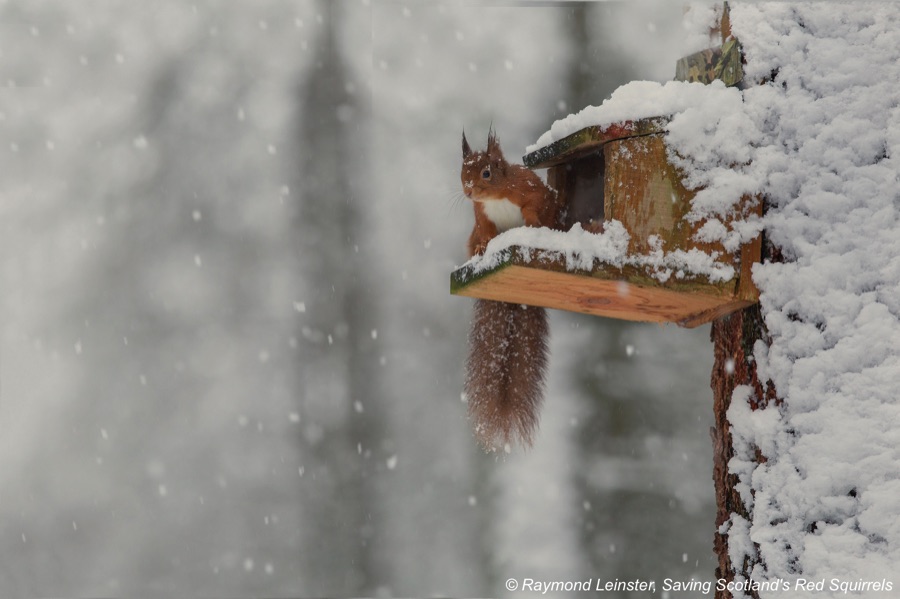
A good rule of thumb is to fill no more than one third of the feeder box with food. This means there won't be leftover food going mouldy, and some red squirrels like to sit inside the box while they eat. Avoid any kind of flat feeding platforms, as these are very likely to build up germs.
Keep it clean
Feeders bring lots of animals to the same place, so it's really important they're kept clean to prevent diseases, such as squirrelpox, from spreading.
The RSPB recommends cleaning bird feeders at least once a week with hot soapy water and to disinfect with a non-toxic disinfectant such as Ark-Klens or a mild (5%) bleach solution.
Any left-over food should be removed before it goes mouldy, and disposed of properly, not thrown on the floor. Only putting out small amounts of food at once will limit food waste.
If you do see any signs of red squirrels looking unwell with what could be squirrelpox, take a photo or video and send it to squirrels@scottishwildlifetrust.org.uk, who can then advise you if you should take down your feeders for four weeks and clean them with a disinfectant suitable to kill micro-bacteria, such as by Safe4.

Little Green Space is a non-profit project sharing solutions to the nature and climate crises, and offering inspiration for a greener lifestyle. If you like our content, please help keep us going with a small donation!
Ads/Affiliate links
Little Green Space August 2026