
While some plastic pollution comes from ocean-based activities such as fishing, the main source comes from land. Litter finds its way to the sea along waterways, and plastic waste is discarded on beaches.
A large proportion of this plastic pollution is single-use plastic bottles – including water bottles. In the UK, 21 million bottles of water are bought every day – and almost half of these aren't recycled.
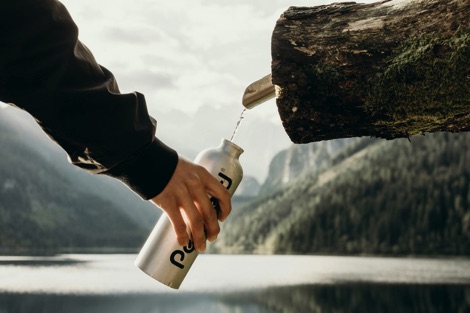
Switching to a reusable water bottle is easy, and could also save you a lot of money. There are lots of reusable bottles to choose from – for a more sustainable option, choose a high-quality plastic-free bottle that's durable.
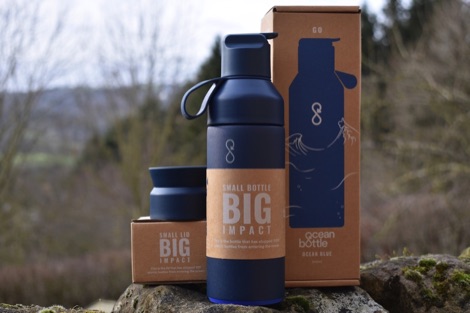
We recommend Ocean Bottle*, which keeps cold liquids cool and can also be used as flask for hot drinks. For every bottle sold, Ocean Bottle funds the collection of more than 11kgs of plastic waste – the equivalent of 1000 plastic bottles.
From choosing peat-free compost to saying 'no' to fast fashion, we suggest six easy ways to live a more sustainable lifestyle
This article contains affiliate links*
Want to live a more sustainable lifestyle? Whether you want to reduce plastic waste, choose products that last, or help nature and the environment, there are lots of eco-friendly products available.
However, the first step in any attempt to live more sustainably is to reduce consumption. We are all under constant pressure to buy more stuff – with advertising and social media pushing the latest technology, the latest fashions and the latest 'must-have' accessories.
So before rushing to replace items in your home with new, eco-friendly alternatives, the best thing you can do is to use the things you already have. Then when things do need replacing, and it's time to buy something new, here are ten simple swaps to make.
Peat-free compost
Peat is a precious resource. Peatlands are ecologically important landscapes that support a multitude of plants and animals – some of which aren't found anywhere else. These remarkable places store carbon, and they help reduce flooding and improve water quality.
Six simple swaps

The peat in peat bogs develops slowly. It takes around a year for peat to increase by just one millimetre. But in that same year, commercial peat extraction can remove more than 500 years' worth of peat growth. When peat is extracted, the stored carbon is released into the atmosphere, contributing to the climate crisis.
Most of this extracted peat is used to make compost, used by both professional horticulturists and amateur gardeners. Although the UK government has been making promises for years to prevent the sale of peat compost, this has still not happened. And in many garden centres, peat-free options are still outnumbered by composts that contain peat.
Choosing peat-free compost, and plants grown in peat-free compost, is one way to help. Peat-free compost is just as good as the alternatives. See this list of peat-free nurseries, or use a search engine, to find peat-free nurseries near you.

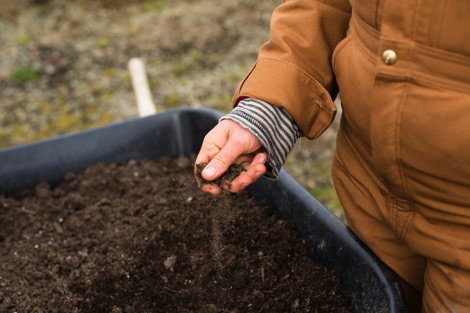
Photo by Zoe Richardson on Unsplash
If you have enough space, you can also make your own compost using food and garden waste. To make compost, use a mix of 'green' and 'brown' materials. Green materials are rich in nitrogen and include vegetable peelings, annual weeds and grass cuttings. Brown materials are rich in carbon and include dry, woody garden cuttings (for example hedge trimmings) and torn up plain paper or cardboard. For more information about composting, see this advice from the RHS.
Soap and shampoo bars
In 2024, The Big Plastic Count – a survey conducted by Greenpeace UK and Everyday Plastic – found that an average of 60 pieces of plastic packaging was thrown away by each UK household every week. That's 1.7 billion pieces of plastic binned across the UK on a weekly basis. The UK throws away more plastic per person than every other country in the world, except the US.
The best way to avoid adding to this plastic pile is to avoid single-use plastics in the first place. One easy swap you can make is to replace plastic handwash and shampoo bottles with soap and shampoo bars.
Plastic-free soap bars are easy to find. A bar of soap will generally last longer than a bottle of handwash, making it an affordable option. Try Alternative by Suma* soap bars, which are palm-oil free and come in lots of lovely scents. Or for seven more suggestions click here.
Solid shampoo bars are also available. &Keep has a great selection. We particularly like the Friendly shampoo bars, which are affordable and come in an unscented version – which is ideal for sensitive scalps.
Reusable water bottle
Around 11 million tonnes of plastic end up in the ocean every year. And it's estimated that by 2050 there could be more plastic than fish in the sea.
Plastic pollution has a huge impact on marine wildlife. Marine animals can swallow plastic debris, and can suffocate or become entangled in it, causing injury or death. More than a million seabirds, and around 100,000 marine animals die each year because of plastic waste in the seas.
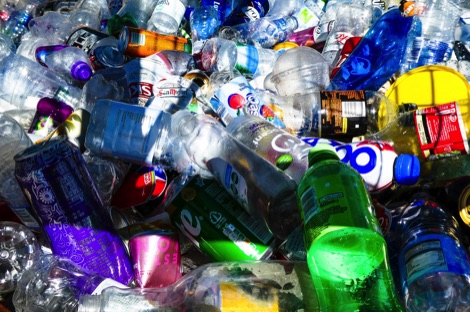
Photo by Nick Fewings on Unsplash
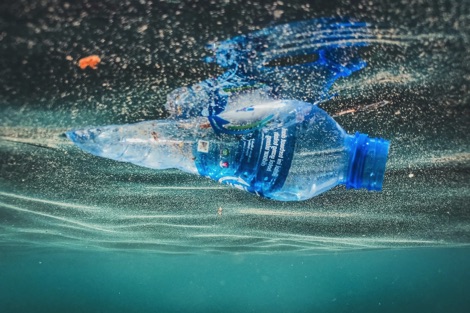
Photo by Naja Bertolt Jensen on Unsplash
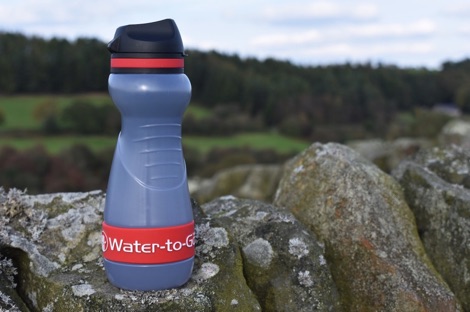
Or try Water-to-Go bottles*. These plastic-free bottles are made from sugarcane, using the fibrous residue left over from the sugar production process – a planet-friendly material that would otherwise have gone to waste. There's a replaceable water filter tucked into the lid – this removes contaminants including viruses and bacteria, so you can access clean drinking water wherever you are.
The Refill Return App features an interactive map, and shows you where you can refill your bottle with fresh drinking water while out and about. Many shops have refilling stations, and cafes will often fill your bottle with tap water for free – some big-name chains are part of the scheme, including Caffe Nero, Co-op, Greggs, and Holland and Barrett.
More refillables
It's possible to avoid plastic packaging altogether when buying certain groceries, for example choosing loose fruits and vegetables, rather than those that are pre-packaged (and choosing loose produce usually works out cheaper too!) But avoiding packaging when buying other foods can be more challenging.
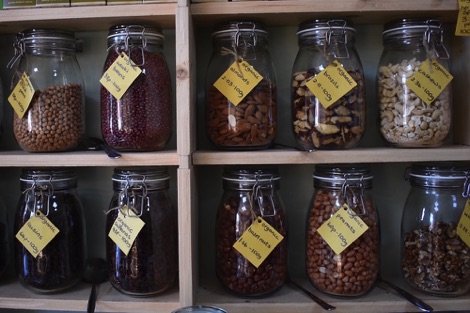
Many towns now have zero-waste stores that offer unpackaged products. From lentils and pasta to dried fruit and porridge oats, these shops sell products by weight for you to transport home in your own reusable container. Find a zero-waste store near you with Recycle Now's Refill Locator.
Zero-waste stores also often stock large containers of liquids, such as shampoo or washing up liquid – take your empty bottles along and refill them.
An alternative to buying bulky bottles of liquids is to choose tablets or powder that can be dissolved in water. Many household and hygiene products consist of up to 95% water, and bottles of liquid are heavier and bulkier to transport – so the environmental impact of shipping products can be greatly reduced if you choose dissolvable granules or tablets, or dilutable concentrated formulas.
Reefyll produces foaming handwash tablets that can be dissolved in water. The starter pack comes with a durable soap dispenser that can be used again and again. When buying refill tablets, these can work out as little as 80p per bottle of handwash – so Reefyll is an affordable option too.
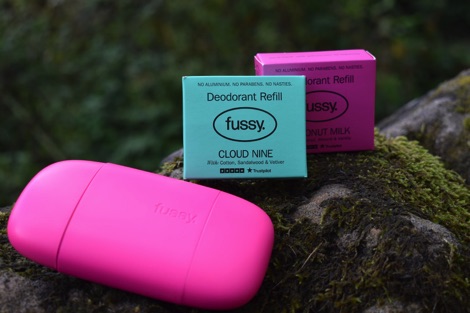
Refillable deodorants are available too, and there are a few different options available. We recommend Fussy Deodorant* – an eco-friendly and effective alternative to standard deodorant. The starter pack includes a refillable case made from recycled plastic. The refills themselves come in compostable packaging, and there are lots scents to choose from (and an unscented version). The deodorant is certified carbon neutral, and each product sold supports green energy projects around the world.
Also take a look at Bower Collective*, which offers a good range of home cleaning products – including concentrated formulas that save water and plastic.
Ethical clothing
It's estimated that the clothing industry produces up to 10% of global carbon emissions – as well as using vast amounts of water and creating vast amounts of waste.
More than half of materials used by the fashion industry are made of plastic – and, when washed, these release microplastics that end up in the sea.
Fast fashion is the driver for much of this negative environmental impact. Clothes are produced and bought cheaply to reflect the latest fashion trends, and then soon discarded.
In the UK, around 300,000 tonnes of used clothes end up in landfills or are incinerated each year.
The first step to take to reduce your impact on the environment is to use what you already have, and avoid changing the clothes in your wardrobe with each new season.
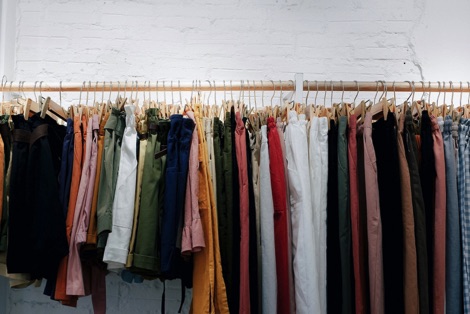
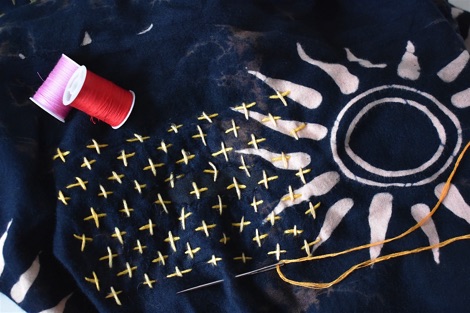
If you're handy with a needle, you can mend a garment to extend its life. One way to do this is the Japanese practice of Sashiko – a decorative method of hand-stitching that can bring new beauty to old items of clothing.
Books that provide mending inspiration:
How to keep your clothes forever by Leah Giblin*
Sashiko Handy Pocket Guide by Sylvia Pippen*
When you do need to get rid of clothes, dispose of them responsibly. If they're still in good shape, take them to a charity shop, gift them or sell them. Clothes that are no longer fit for wearing can be recycled (most recycling centres have a textiles bin) or repurposed into rags for cleaning jobs around the home.
When replacing clothes, first consider buying second-hand from charity shops, vintage stores, or online market places such as eBay and Vinted.
If buying new, avoid cheap garments wherever possible. Cheap clothes usually don't last long, and are often produced unethically in developing countries, where workers often experience poor or dangerous working conditions.
Instead, if you can, invest in clothes from ethical brands that have a transparent supply chain. Quality clothes may cost more, but they will last much longer – potentially saving money in the long run.
Choosing natural fibres, such as organic cotton (which uses less water and chemicals during the production process than standard cotton) can also help.
Be careful when choosing bamboo viscose though – this is sometimes produced using large quantities of toxic chemicals that can harm the environment. Instead look for retailers that use sustainable bamboo, manufactured in closed loop systems – these fabrics are often called Tencel Lyocell, Tencel Modal or Lenzing Ecovero. Seasalt Cornwall* is a good example of a B Corp brand that uses 100% closed loop systems in its bamboo clothing.
Compostable kitchen sponges
Traditional kitchen sponges (like the yellow ones pictured below left) are made from plastic. When these break down, they release microplastics that get into waterways and eventually end up in the sea – harming marine environments and the animals that live there. Sponges like these also can't be recycled – so once discarded they will remain in landfill for hundreds of years.
When your traditional sponge needs replacing, consider choosing a compostable version. We recommend Seep sponge scourers*, which are 100% plastic free. They last a long time, and when they're no longer usable they can be put it into household or kerbside compost bins, where they will break down into harmless organic waste.
We use our Seep sponge for scrubbing dishes and wiping surfaces – the loofah side is non-scratch so is safe to use on all pots and pans, including non-stick. They are every bit as effective as standard kitchen sponges.
Little Green Space readers can use code STARTER-25 to get a get a 25% discount on Seep products.


Little Green Space August 2026
Ads/Affiliate links

Little Green Space is a non-profit project sharing solutions to the nature and climate crises, and offering inspiration for a greener lifestyle. If you like our content, please help keep us going with a small donation!