
No Mow May
What wildflowers will you see if you take part in No Mow May? We share some of the plants we have seen – and explain how they are excellent for wildlife
Taking part in No Mow May is a fantastic way to boost biodiversity and bring more wildlife into your garden or community green space. Keeping grass a little longer, and having other wild areas too, is particularly helpful to insects like bees and butterflies – and with many insect species facing extinction, they need all the help they can get.
Long grass and other wild areas can support many different wildflowers. Having a break from mowing and strimming, to allow these flowers to emerge, is a free and easy way to bring more colour into your garden.
You don't need to take part in No Mow May for the whole month, and you can continue a no-mow regime into June and beyond – so don't worry if you haven't given the lawnmower a rest yet.
It's also okay to cut some of your grass, and just leave small areas unmown – this will still help wildlife, as even small areas of long grass are beneficial. Leaving smaller wild patches may be more appropriate if you want areas of short grass where the kids can play, or need access to things like sheds and washing lines.
Many people are surprised by how many native wildflowers bloom in a patch of unmown grass after just a couple of weeks. Here are a few that we've spotted already, in our own lawn and in other wild areas of our garden.
Forget-me-not
A dainty plant with pretty blue flowers, forget-me-nots bloom from April to June. The nectar-rich flowers provide food for pollinators, including butterflies. The tiny flowers are also popular with hoverflies.


In folklore, forget-me-nots are a symbol of love. There are many theories about how the plant got its name: perhaps the most famous is that of the knight who, while picking flowers for his beloved, fell into a river. As he fell, he threw the flowers to his lady, calling “Forget me not!”
Dandelion
Readers of Little Green Space's articles and posts will know that we're big fans of the humble dandelion! And for good reason: dandelions support more than 50 insect species, and are an important source of nectar early in the year when there aren't many other flowers about.
The bright yellow blooms will attract bumblebees, butterflies and moths. They flower from March until October, keeping insects fed for months. Dandelions also produce seeds that birds will eat – goldfinches, in particular, love them.
Dandelions are edible for humans too. Young dandelion leaves have a slightly bitter flavour, and this bitterness increases as the leaves get older. Young leaves can be added in moderation to a salad, and can be used in pesto recipes. The roots can be roasted and made into a hot drink as an alternative to coffee.
You can also make dandelion fritters with the flowers. Dip washed flowers into a batter made from flour, egg and milk, then fry in a little sunflower oil until crispy and golden. Dust with icing sugar or drizzle with syrup to serve.
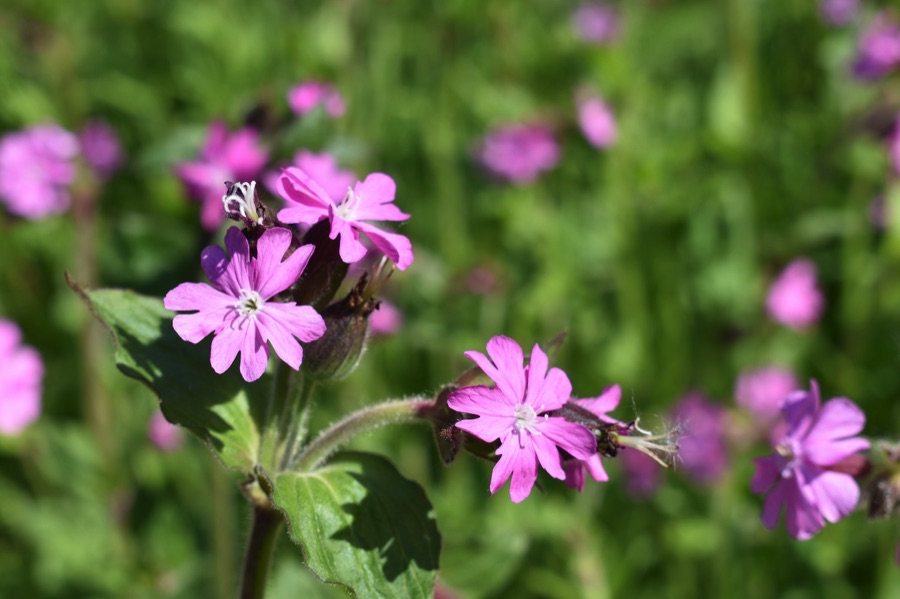
Red campion
The bright pink flowers of red campion are an excellent source of nectar for bees, hoverflies, butterflies and moths. In particular, the flowers attract species of short-tongued bumblebees, such as the buff-tailed bumblebee, as well as hummingbird hawk moths.
In folklore, red campion has many other names, including adder's flower (it's believed to have been used as a remedy for snake bites) and robin hood. It's also known as bachelor's buttons – likely because young, unmarried men would wear the flowers in the button holes of their jackets.
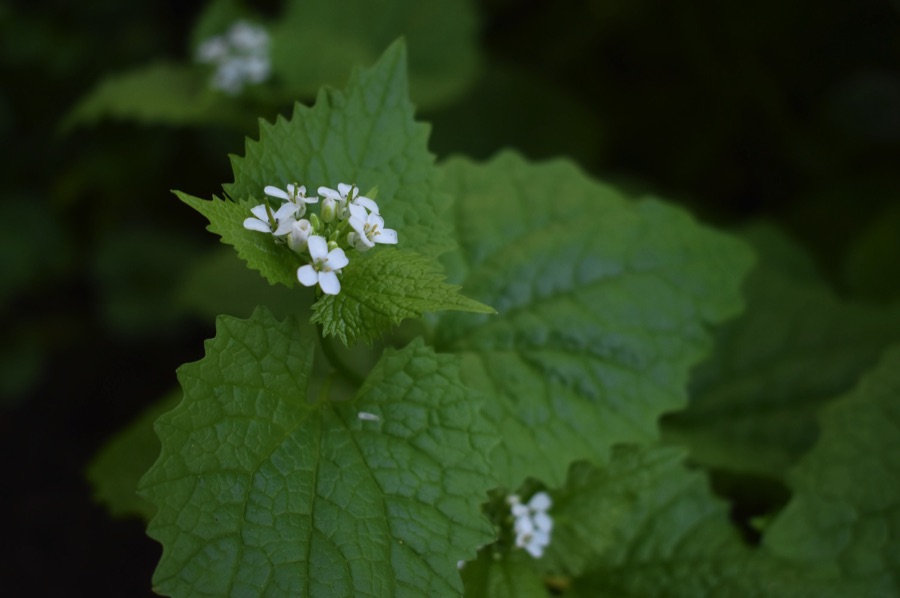
Jack-by-the-hedge
A tall green plant, with nettle-like leaves and small white flowers. It's an important food plant for the caterpillars of orange tip and green-veined white butterflies.
Jack-by-the-hedge is also known as garlic mustard or sauce-alone – and as these names suggest, the leaves are edible (in moderation). Picked when young and tender, they have a mild, garlic flavour that can add extra flavour to salads. Or finely chop leaves and fry in sesame oil before adding to potato salad, pasta or risotto.
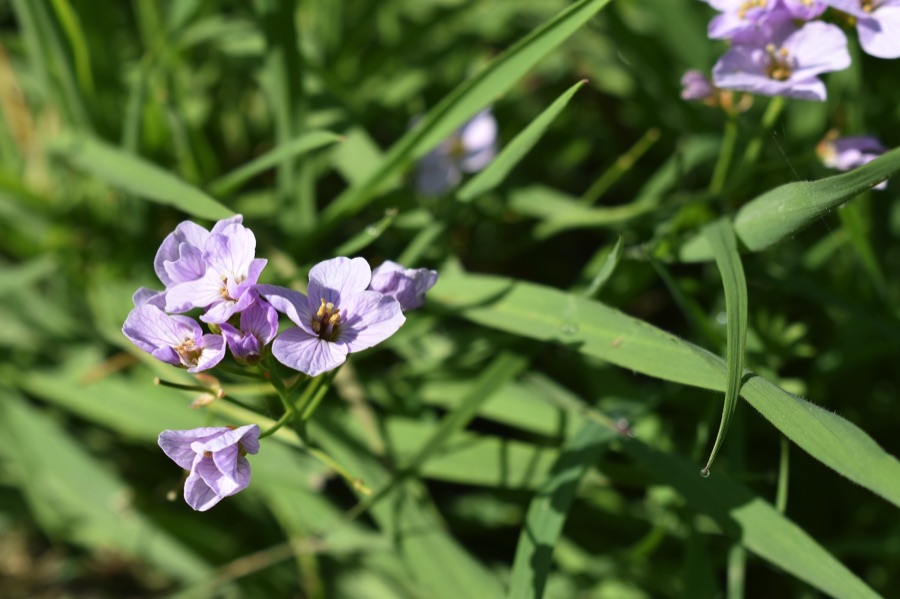
Cuckooflower
With its delicate, lilac-coloured flowers, cuckooflower thrives in damp places such as pond edges, wet grassland, and near streams – and it may also show up in your lawn if you leave it un-mowed.
Cuckooflower is an important food plant for the caterpillars of orange-tip butterflies. Other butterfly species, as well as bees, are attracted by the nectar-rich flowers.
Its name comes from the time it flowers, in late April to early May – about the same time that the first cuckoo call of the year can be heard. Its other names include lady's smock, milkmaids and fairy flower.
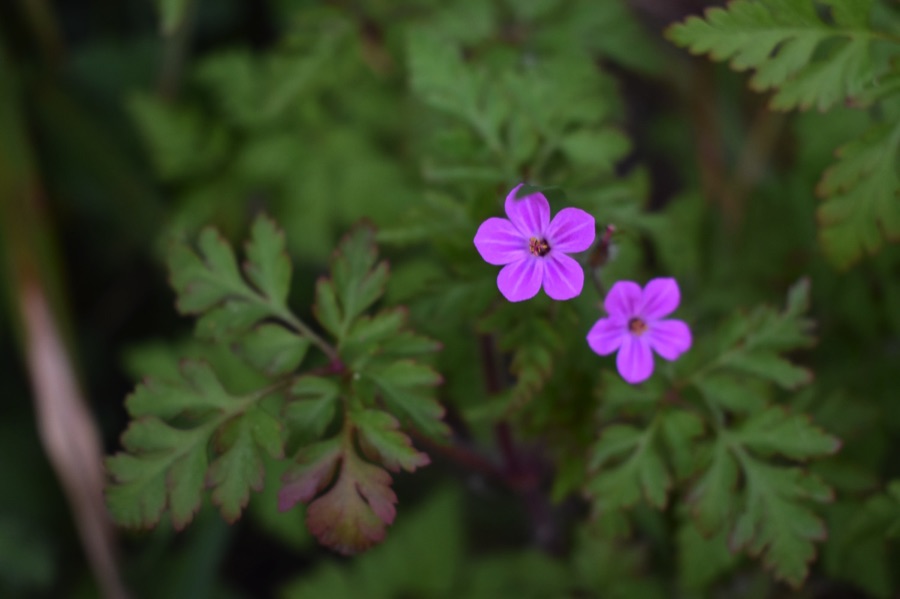
Herb robert
This delicate, native geranium can be found along wild edges, under hedgerows and in wooded areas. It's a source of food for moths, including the barred carpet moth, and the pink flowers attract bees, butterflies and hoverflies.
The leaves of herb robert have a strong and distinctive aroma. It's said that if you rub the crushed leaves onto skin, it acts as an insect repellent.
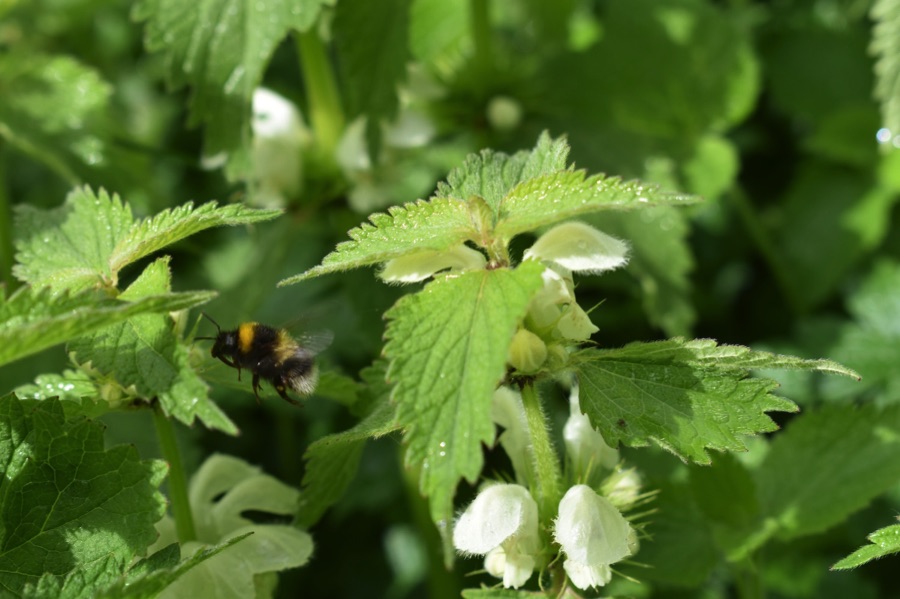
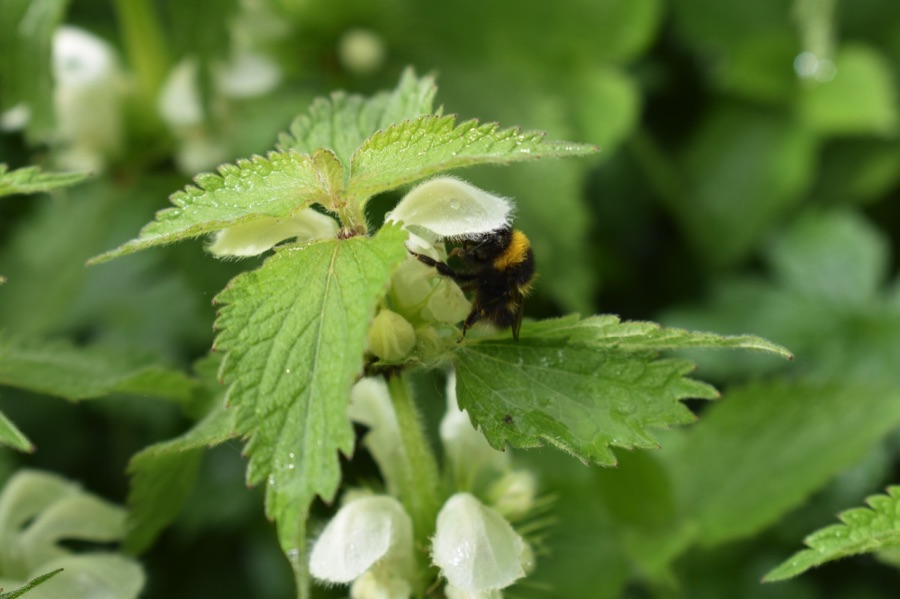
White dead nettle
Dead nettles are brilliant for boosting biodiversity, supporting more than 40 different insect species including beetles – such as ladybirds and green tortoise beetles – and moths. The white flowers contain lots of nectar, and are loved by species of long-tongued bumblebees and red mason bees.
Unlike the common stinging nettle, dead nettles won't sting you. But like common nettles, the young leaves can be eaten – blanch in hot water, and use as you would spinach. They are reputed to be highly nutritious.
One of the dead nettle's folklore names is suck bottle. This is because you can suck the honey-sweet liquid out of the tubular white flowers – something many people remember doing as children.
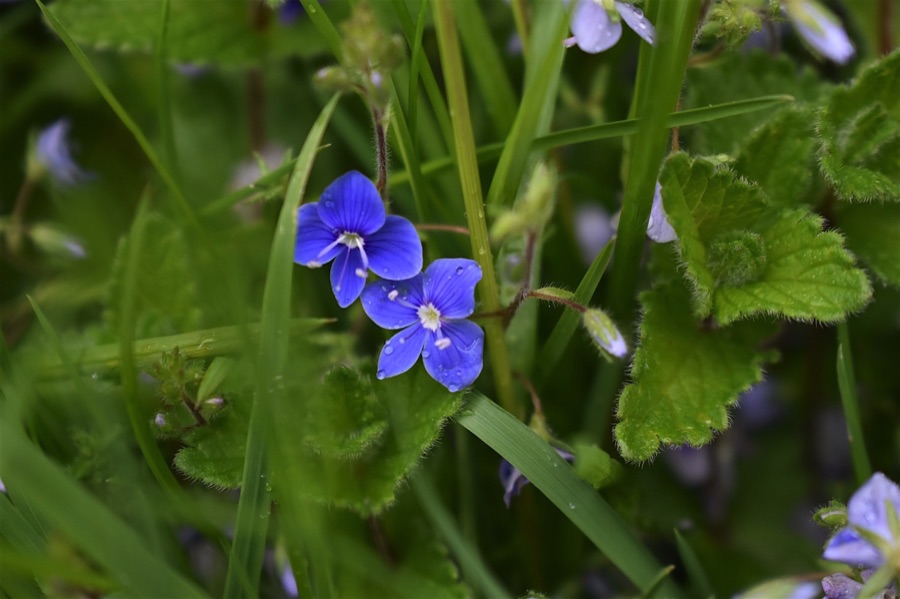
Speedwell
Allowing some speedwell to grow in grassy areas can really boost the biodiversity of your lawn. It's a low-growing plant with vibrant blue flowers, and provides protective cover for bugs, beetles and caterpillars – which are important sources of food for hedgehogs, and many species of garden birds.
The pretty flowers are rich in nectar, attracting solitary bees, hoverflies and other insects. It's also an important food plant for the caterpillars of several butterfly species.
Speedwell gets its name from the belief that the flower is a good luck charm for travellers. As well as growing in grassy lawns, it can also often be seen along uncut road verges.
A note on safety: we've mentioned that some of the plants featured here are edible. Remember that whenever harvesting wild plants to eat it's essential to know exactly what you are gathering. Use a guidebook to identify plants, such as Food for Free by Richard Mabey*, and if in any doubt don't pick them. Only gather from areas where you can be sure no pesticides or herbicides have been sprayed.
Many edible wild plants are highly nutritious, containing vitamins and minerals. Many are also reputed to have health benefits, ranging from boosting immunity to lowering cholesterol. However, it's best to enjoy foraged foods in moderation. And if you have a health condition, do check with a medical professional before eating wild plants.

Little Green Space is a non-profit project sharing solutions to the nature and climate crises, and offering inspiration for a greener lifestyle. If you like our content, please help keep us going with a small donation!
*Ads/Affiliate links
Little Green Space May 2026